The core trade
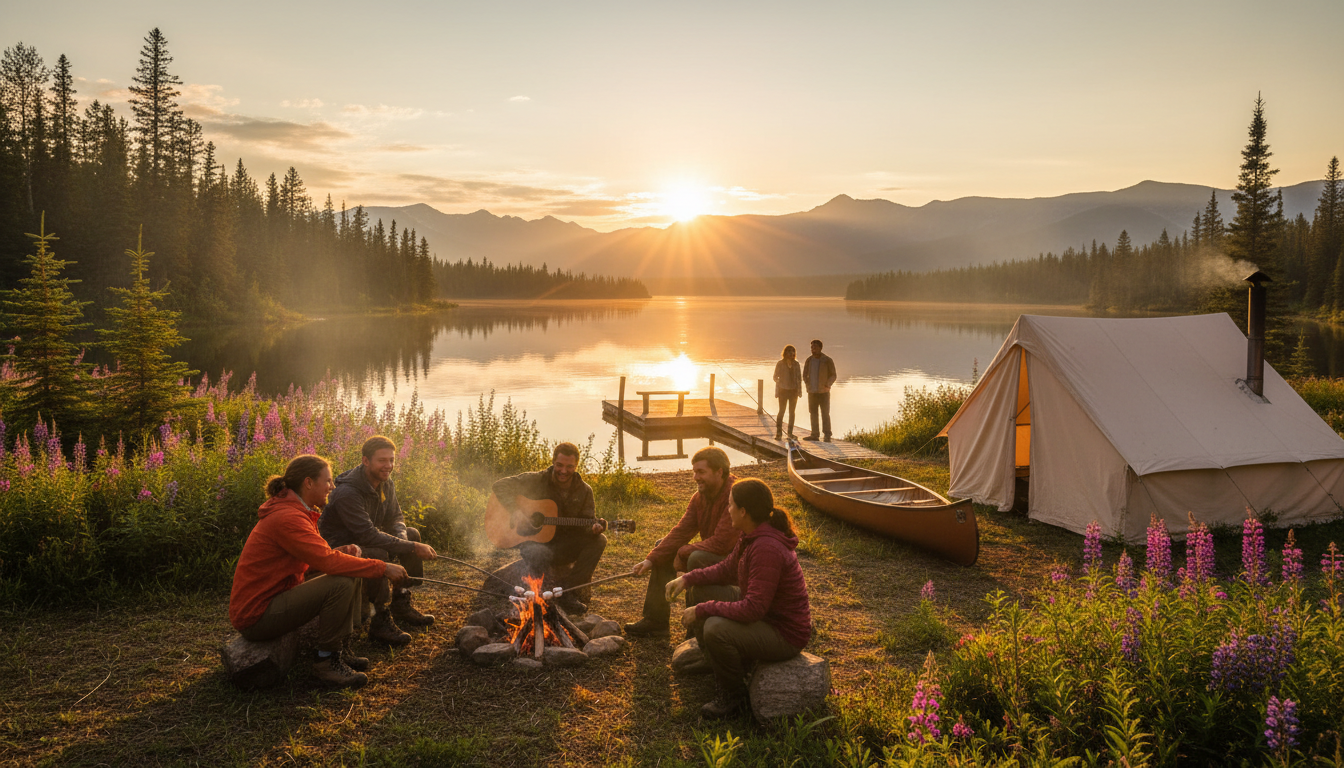
Summer (mid-June to late August): 15–22°C days, 19 hours of daylight, all trails open, canoeing and hiking as headline activities, no aurora possible. Winter (late November to mid-March): -15 to -35°C days, aurora nights, dog sledding and snowmobiling and ice fishing, most trails snowbound. Both are equally valid trips; they just have different currencies. Do not try to split the difference in shoulder — May and October are muddy dead zones with things closed. September is the exception and worth its own trip.
Pick summer if
You want to hike, paddle, or fish. You dislike serious cold. You have kids under 10. You’re going as your first Yukon trip and want variety. You want to see the icefields from a flight (weather is more cooperative). You’re pairing with an Alaska driving trip. Summer is the easier, more forgiving, more variety-packed option and it's what 70% of visitors do. Book accommodations 4–6 months ahead for July-August; things fill.
Pick winter if
You want aurora — the top priority for many visitors, and the winter case is airtight. You want to try dog sledding, snowmobiling, ice fishing, or fat biking on snow trails. You want to see the Yukon Quest sled dog race (early February). You want empty everywhere — hotels are 30% cheaper, restaurants have tables, trails are silent. You’re comfortable with -25°C once properly geared (rentals include everything for $50–80/day). Winter is deeper, harder, and more rewarding.
Questions, answered
Hotels in Yukon
See all stays →Curated picks are coming — meanwhile, the live search covers every bookable property at the same price or better.